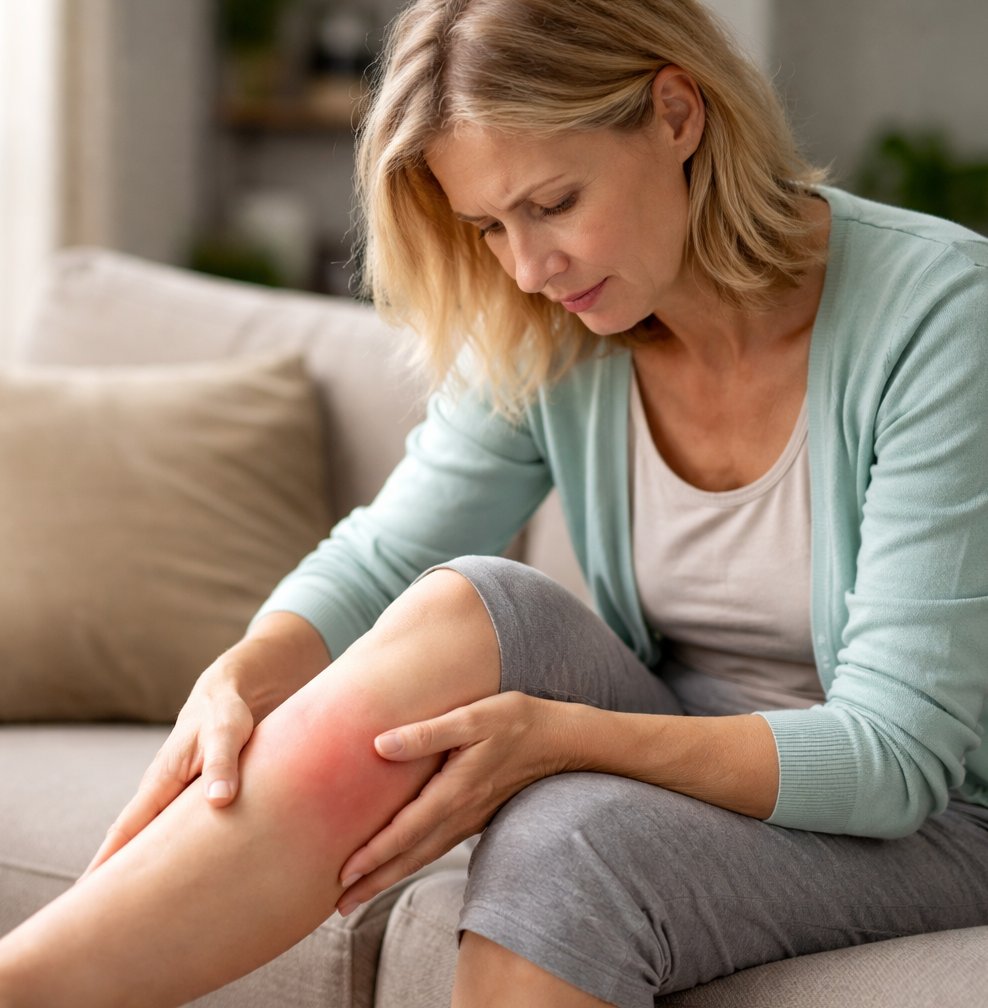

Phlebitis, or vein inflammation, often appears as an unwelcome guest in one’s life, especially for those already juggling various health challenges. It is an ailment that affects the veins, typically in the legs, causing them to become inflamed. This can result in tenderness and swelling, and for many, a significant change in daily life. Living with phlebitis is more than just managing physical discomfort ; it’s about adapting to a new normal that impacts one’s routine and mental well-being.
Understanding the daily challenges
Each morning, I am reminded that my legs require extra care and attention. What might begin as a mild discomfort can quickly escalate into a day filled with throbbing pain if I am not careful. Compression stockings have become my constant companion, offering the support my veins desperately need. They are not a cure but a tool to aid circulation, helping to keep the discomfort at bay. These stockings are a must-have, especially during long periods of standing or sitting, such as during work or travel.
Adapting to a new lifestyle
Living with phlebitis often means making significant lifestyle changes. Exercise remains essential, but it requires a different approach. Rather than high-impact activities that used to be part of my routine, I now embrace low-impact exercises like swimming and walking. These activities boost circulation without putting undue stress on my veins. It’s a delicate balance—staying active while avoiding overexertion.

Dietary adjustments also play a crucial role. Reducing salt intake and staying hydrated helps minimize swelling. Introducing more anti-inflammatory foods like berries, leafy greens, and omega-3-rich fish into my meals is part of the strategy to combat inflammation. These small changes in eating habits have shown profound effects on my health and overall well-being.
The emotional toll
Phlebitis does not only affect the physical body ; the emotional impact can be just as challenging. There are days when the weight of the condition feels particularly burdensome, especially when it prevents participation in activities I once enjoyed. Learning to navigate social settings with this condition has been a journey in itself. Sharing my experiences with others who face similar challenges has been a source of comfort and strength. This community understanding creates a powerful sense of belonging and support.
Coping strategies
The unpredictability of phlebitis symptoms means that having a set of reliable coping strategies is essential. Practicing mindfulness and stress-reduction techniques such as meditation and yoga aids in maintaining mental equilibrium. These practices not only help in managing stress but also improve emotional resilience. Listening to my body’s signals and resting when necessary is indispensable. Knowing when to push through discomfort and when to pause is a skill honed over time.
A constant reminder is the importance of regular medical check-ups. Consultation with healthcare professionals ensures that phlebitis is managed effectively. They provide guidance on treatment options and prevention strategies, tailoring them to fit the unique needs of each individual. Being proactive in this aspect significantly influences the quality of life.
The journey with phlebitis is ongoing, filled with ups and downs. Each experience is a step towards understanding my body better and finding ways to live amply despite the limitations. Adaptability and resilience are not mere buzzwords ; they are the cornerstones of navigating life with this condition. As I continue to learn and grow, sharing these experiences not only offers personal catharsis but might also provide insight and hope to others walking a similar path.