

When choosing accessories for the big day, many brides discover that veil selection is as symbolic as it is aesthetic. Length, fabric, edge finish, and silhouette work together to influence the ceremony’s atmosphere. Some brides choose shorter, playful styles that complement modern gowns, while others prefer more dramatic lengths that sweep the aisle with grace. The veil doesn’t just frame the face, it completes the visual storytelling of a bride’s entrance. Current wedding trends honor tradition but encourage personal expression, making veil selection more intentional than ever. The material you select, whether soft tulle or refined lace, guides the emotional tone of the moment and the heritage you wish to convey to your guests.
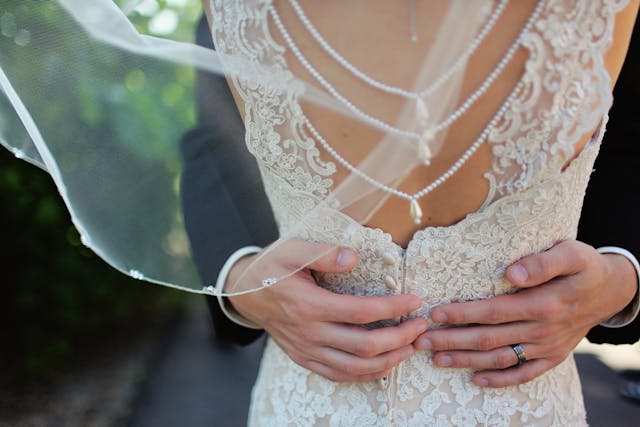 The first length most brides consider is the shoulder veil. Reaching just above the collarbone, it adds subtle volume without overpowering the gown. Brides wearing minimalist silhouettes often find this length ideal, as it enhances an outfit rather than competing with it. The most traditional approach, however, involves cathedral-length styles. These veils stretch several feet behind the bride, creating splendid movement as she walks. For those researching a wedding veil with artisanal French craftsmanship, traditions rooted in delicate details continue to inspire. Shoulder, fingertip, and chapel lengths give brides the ability to blend modernity with elegance, and combinations of lace edging or beaded borders add personality without distraction. Each centimeter reflects intention, shaping how guests perceive the silhouette and movement through space.
Fingertip veils often appeal to brides who love versatility. As the name suggests, they fall around the fingertips when the arms rest naturally. This length highlights waistlines, making it harmonious with both A-line and mermaid dresses. It works in church ceremonies, civil weddings, and outdoor celebrations with ease. The magic of fingertip veils lies in their balance: glamorous enough to be noticed, yet practical enough to stay in place, even during reception dancing. Harmony between gown structure and veil thickness ensures that the bride’s movement remains fluid. For breezy garden weddings, fingertip lengths minimize snagging risks while maintaining romance. They photograph beautifully from every angle, adding depth without weight.
Chapel-length veils are slightly longer, usually just brushing the floor. They create elegant lines extending behind the bride, especially in venues with wide aisles. When choosing this length, brides often seek a sense of heritage—a graceful nod to traditional silhouettes that honor generations before them. For dresses with moderate trains, chapel lengths produce a cohesive effect by subtly prolonging the garment’s geometry. This choice feels ceremonial without overwhelming the fabric beneath, making it ideal for gowns featuring lace appliqués or corseted bodices. Many photographers love chapel veils because they capture light easily, forming soft halos in backlit portrait sessions.
For brides who want maximum impact, cathedral veils are unmatched. Designed to trail behind the train, they amplify every step with grandeur. As the bride turns, the veil creates waves of translucent fabric, shifting elegantly like smoke drifting in sunlight. Because cathedral lengths are dramatic, they pair beautifully with simple gowns. This allows the veil to shine as the focal point, commanding attention while preserving balance. Ceremonial moments become unforgettable with this length: when the bride approaches the altar, fabric gathers into patterns on the floor, framing the scene like a living painting. Once the ceremony concludes, assistants often help adjust the veil to maintain pristine lines for photography.
Another popular option is the mantilla veil, which originated in Spain. Featuring circular designs and ornate lace borders, it frames the face gracefully and drapes close to the body. Brides who adore vintage elegance often turn to this length and shape for a romantic, old-world impression. The lace detail hugs the hairline, offering harmony with floral arrangements. Mantillas merge tradition with modern glamour, making them suitable for cathedral weddings, rustic ceremonies, or seaside vows. Their versatility stems from fabric weight, allowing free movement without tangling or wrinkling easily. Brides who cherish European cultural influences often consider this shape for its historical narrative.
For an ethereal, otherworldly effect, waltz-length veils fall between the knees and ankles. They offer enough length to flow gently while allowing free spinning and dancing. Brides who value movement often appreciate this length’s unusual versatility. Waltz veils pair well with form-fitting gowns, accentuating curves with soft cascades of tulle. The design encourages celebration while performing beautifully in wind or candlelit spaces. Many designers recommend this style for indoor ceremonies where long trains may prove cumbersome. Because the veil never touches the floor, upkeep during the reception becomes effortless.
Short cage veils, sometimes called birdcage styles, hug the face closely. Their charm lies in their playful retro look, reminiscent of mid-century fashion. Brides choosing this length often love the bold contrast between minimalist gowns and crisp netting. Cage veils highlight eye makeup and cheekbone structure, acting like a portrait frame. Bridal shoots featuring these pieces often resemble editorial magazine covers. Short veils introduce confidence and bold style without overshadowing natural beauty. They’re popular in loft weddings, city hall ceremonies, and contemporary rooftops overlooking city skylines.
Layering offers a separate dimension of meaning. Some brides attach detachable layers for transformation. A cathedral layer creates drama during the aisle procession, followed by a shorter fingertip veil for the reception. This technique mirrors costume changes from theatrical performances, marking a shift from sacred ritual to celebratory joy. Layered veils capture wind differently, forming organic shapes. Dual-length veils create storytelling transitions throughout the day. When brides embrace transformation, each length symbolizes a new chapter in the celebration.
Cultural symbolism infuses veil selection with deeper meaning. For centuries, veils represented protection, secrecy, and purity. Today, they express individuality. Some brides coordinate veil length with venue architecture. A soaring cathedral interior demands longer lines, while a modern gallery favors sleek simplicity. When reflecting on personal identity, the chosen length becomes more than fabric—it becomes narrative. Veils are quiet communicators, shaping how guests interpret the ceremony. Photography immortalizes these choices, revealing how the veil guides the eye, distributes weight, and introduces balance.
Ultimately, veil length becomes a language. Whether whispering elegance or commanding grandeur, its presence transforms the silhouette and frames the memories forged through ceremony and celebration. When brides choose thoughtfully, the veil becomes a cherished artifact, reflecting artistry, heritage, and the poetry of movement across the aisle.