

The audiobook revolution is no longer a subtle shift—it’s a literary upheaval. In a world increasingly driven by multitasking, audio storytelling has surged from a niche format to a cultural mainstay. Books are no longer confined to printed pages or digital screens; now, they travel through earbuds and speakers, reaching listeners during commutes, workouts, chores, or moments of rest. This transformation is redefining not only how we read, but how we connect with stories.
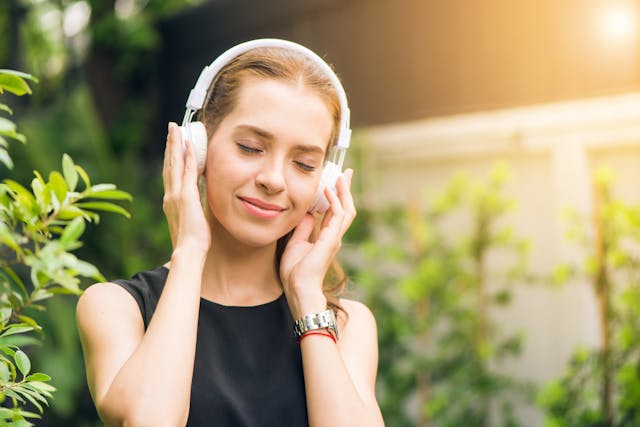 One of the most striking impacts of audiobooks is their accessibility. For people with visual impairments, learning disabilities, or concentration challenges, listening offers a more inclusive reading experience. Audiobooks break down traditional barriers to literature, democratizing access across demographics and lifestyles. Platforms like philosophy and literature are even curating collections that blend classic works and contemporary thought in audio form, making timeless ideas more accessible than ever.
The rise of audiobooks has also redefined the role of the narrator. No longer just a passive voice, the narrator becomes a co-creator of the experience. Talented voice actors can bring characters to life, shift tones between suspense and humor, and infuse non-fiction with clarity and charisma. A powerful voice can transform a dense philosophical essay into a captivating mental journey, or turn a familiar classic into something deeply personal and fresh. In this sense, audiobooks are not just adaptations—they’re performances.
This performance aspect has inspired a wave of innovation. From full-cast productions to musical scores and sound design, audiobooks are evolving into immersive storytelling events. Complex novels, multi-perspective narratives, and even poetry collections are now produced with sonic depth that rivals radio drama or cinema. Literature has found a new dimension—one that engages the ear as much as the imagination. For listeners, the result is often more emotional and memorable than reading silently.
Convenience is another driving force. With smartphones, smartwatches, and wireless headphones, audiobooks have become seamlessly integrated into modern routines. They fit into moments where physical reading would be impossible—on a treadmill, during a commute, while folding laundry. For busy professionals, parents, or students, audiobooks make it possible to absorb books without carving out separate reading time. This flexibility is expanding our collective capacity to engage with literature in everyday life.
Yet the transformation isn’t just about format—it’s also about behavior. Studies have shown that listening to audiobooks activates many of the same cognitive areas as reading print. But the emotional response can be heightened through auditory stimulation. The intonation of a voice, the rhythm of a sentence, the dramatic pause before a revelation—all of these elements create a visceral impact. Audiobooks tap into our primal relationship with oral storytelling, a tradition far older than the printed word.
The resurgence of oral literature through audiobooks brings us full circle. Before writing, stories were passed down through voice—around fires, in gatherings, across generations. Audiobooks revive this lineage, blending ancient narrative traditions with 21st-century technology. It’s no coincidence that podcasts and audiobooks have risen together: both tap into our craving to be told stories aloud. In an age of screens, listening feels more human.
Another crucial benefit is retention. While some argue that reading promotes better memory than listening, research suggests that comprehension levels are often comparable. What matters more is the listener’s attention, the complexity of the material, and the context in which it’s consumed. For some, audiobooks enhance retention because they allow replays, bookmarking, and consistent pacing. Others may find multitasking while listening counterproductive. Either way, the format invites personalization.
Genre plays a role too. While literary fiction or philosophical essays might demand slower, focused listening, genres like thriller, memoir, or self-help are often devoured at 1.5x speed. With adjustable playback and sleep timers, listeners are shaping their own reading experience. This interactivity gives power back to the reader, turning what was once a fixed format into a flexible, customized experience.
Moreover, the audiobook format has created a renaissance for literary classics. Texts that some find difficult or outdated in print can be revitalized through a skilled narration. Young readers are discovering Shakespeare, Dostoevsky, or Virginia Woolf through audio first. And contemporary authors are embracing the medium by writing with spoken rhythm in mind. The shift is influencing how books are conceived, not just how they’re consumed.
From a publishing perspective, audiobooks have opened new revenue streams and audiences. Authors now release simultaneous print and audio editions, and exclusive audio content is becoming common. Some writers even narrate their own books, building deeper connections with fans. As production tools become more affordable, independent authors and small presses are joining the movement. The barrier to entry is falling, and creativity is rising.
For educators, audiobooks are proving invaluable. They support diverse learning styles, help students with dyslexia or ADHD, and can increase engagement with literature. Language learners use audiobooks to develop pronunciation, rhythm, and comprehension. What was once considered a supplementary tool is now central to modern education, especially in blended and online learning environments.
Of course, challenges remain. Critics argue that passive listening lacks the cognitive rigor of reading, or that it encourages fragmented attention. But this critique underestimates the adaptability of the medium and its users. The point isn’t to replace reading—it’s to expand it. Audiobooks offer choice, and with choice comes empowerment. We are not replacing literacy; we are enriching it.
Whether you’re a literature enthusiast, a curious commuter, or someone rediscovering books through voice, the shift is undeniable. Audiobooks are no longer an alternative format—they are an evolution of the reading experience itself. And as technology continues to innovate and narrators push creative boundaries, the possibilities are limitless. One thing is clear: the voice of literature has never been louder, or more alive.